John-Henry Pezzuto is a business school PhD student, who has written code in R but not much beyond that.
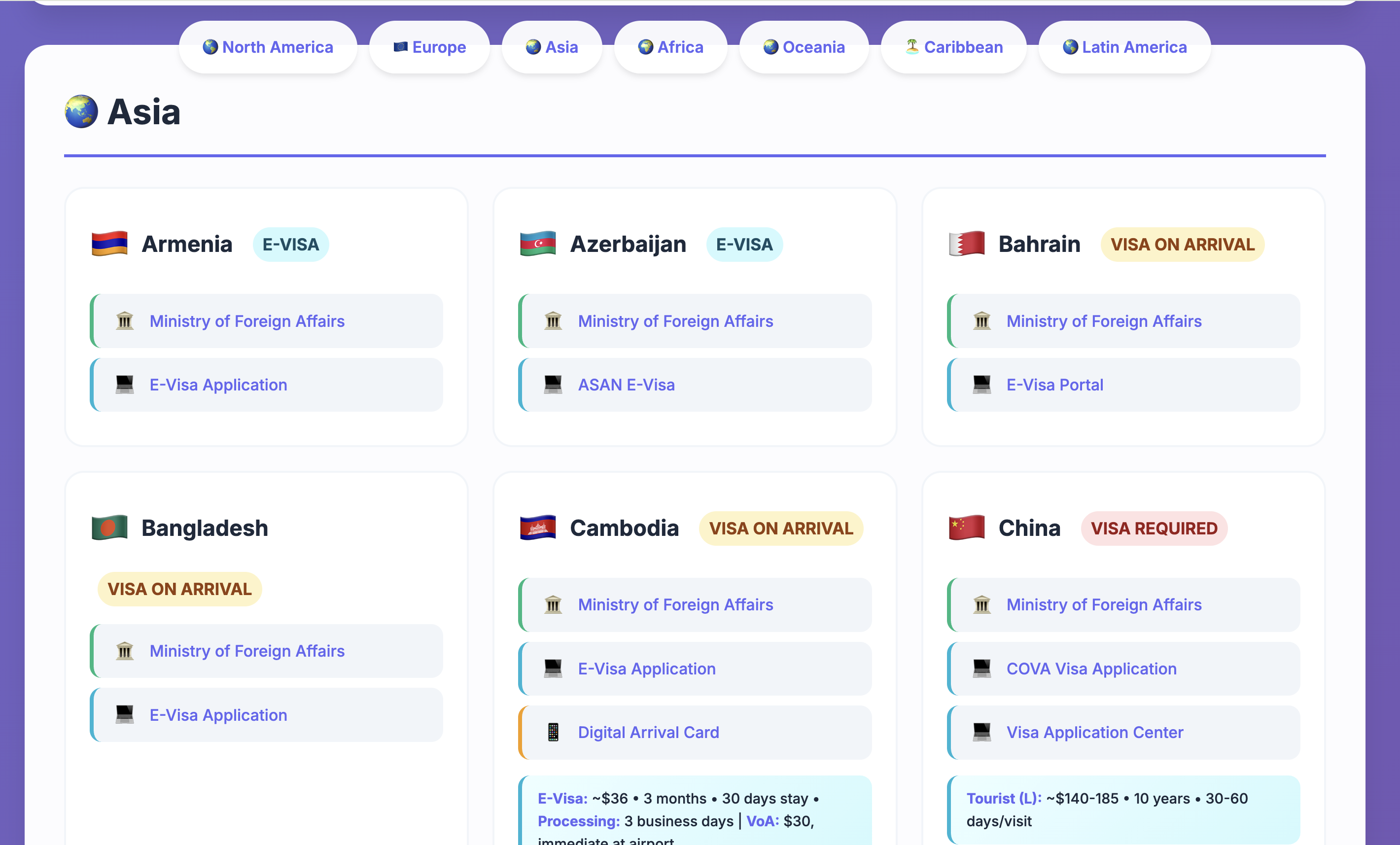
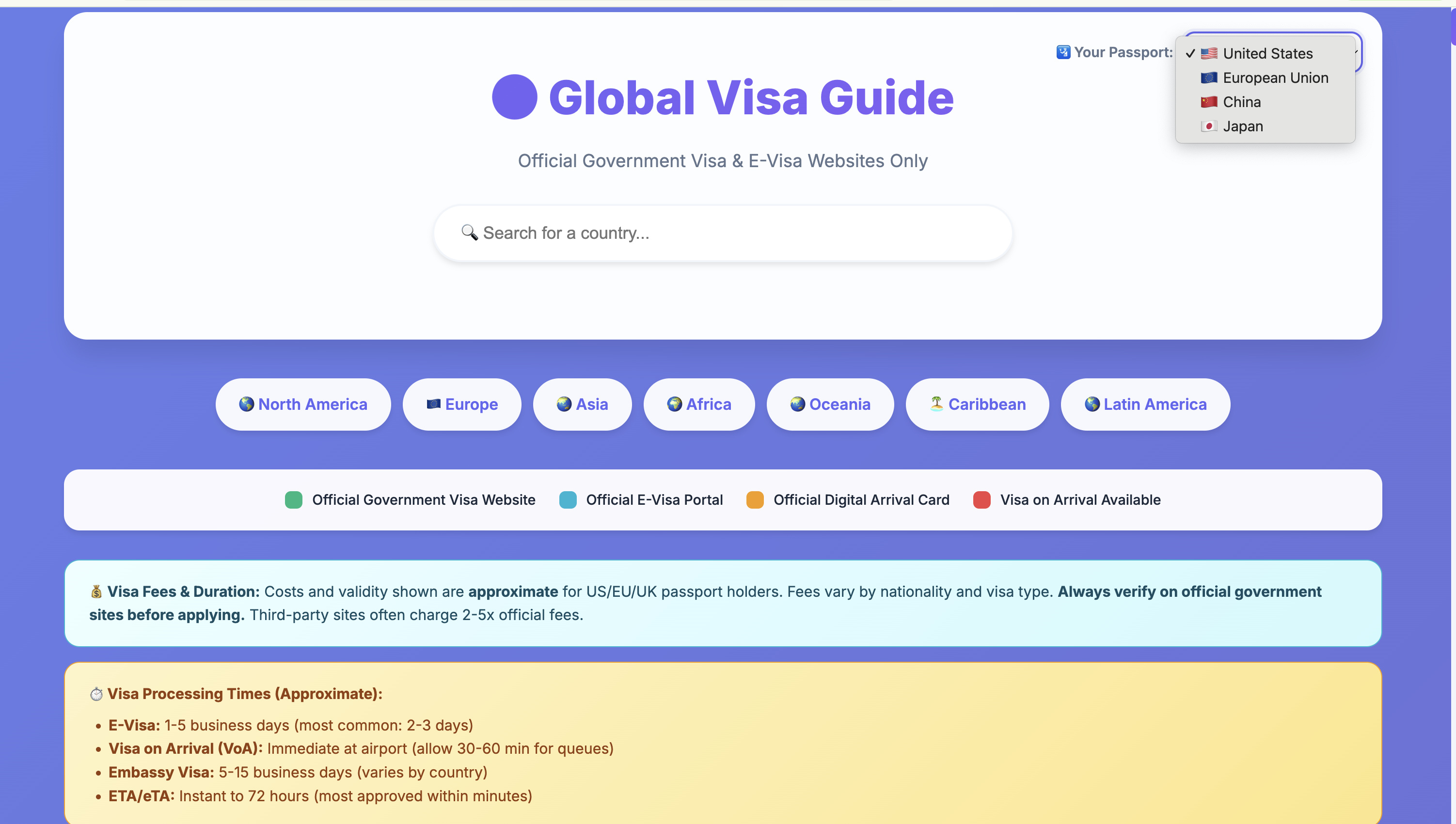
Last week, he published this: https://johnhenrypezzuto.github.io/visa-guide
A comprehensive website aggregating visa application information for 143 countries worldwide based on the user's nationality — with credible, official sites.
We interviewed John-Henry to learn about his Gensee Crate journey.
How John-Hery Built with Gensee Crate
John-Henry: Build a nice-looking website that collects visa application information for popular countries.
Crate: Absolutely! Let me create the basic structure...
John-Henry: Can you organize it by region? Europe, Asia, Americas?
Crate: Done. Adding country pages with official visa portal links...
John-Henry: Actually I forgot Africa and Oceania.
Crate: No problem — adding those regions now...
John-Henry: Perfect! Can you deploy it?
Crate: 🚀 Live at: https://johnhenrypezzuto.github.io/visa-guide
John-Henry: Great. I can see it now. Can you make the visa requirements dynamic based on users' nationality?
Crate: Done. Users can select their nationality at the top of the page.
John-Henry: Can you also add labels to show which countries are visa-free, visa on landing, visa-required?
Crate: Sure. These tags are added according to the user's nationality.
Behind the Scenes
While John-Henry chatted via WhatsApp, Gensee Crate:
- Wrote HTML/CSS/JavaScript
- Researched official visa application links
- Organized content by region and country
- Grab visa requirement information from each official visa application site
- Make the website dynamic based on users' nationality.
- Deployed to GitHub Pages
All through natural language. No code. No configuration. No web dev knowledge needed.
The Results
Here's what John-Henry built — and how it looked along the way:

Why the Sources Are Credible
One thing John-Henry noticed: the visa links and information were high-quality and trustworthy. That's because every Gensee Crate instance comes with Gensee Search built in — ranked #1 on Source Bench for finding the highest-quality web sources.
When his agent researched visa requirements, it didn't just grab random links from Google. It used Gensee Search to find official government portals, verified application resources, and credible information sources.
The result: a website that's not just functional, but trustworthy — something visitors can rely on for accurate visa information.
What's Next
After completing the visa guide, John-Henry said:
"I'll use Gensee Crate to build one software project per day."
He built two Chrome extensions for his personal use the next day and another website collecting words used in comedies the following day. All via chatting to Crate, no single line of coding himself.
The Real Value: Personal Software for Everyone
John-Henry's Chrome extensions are not intended for others to use. But they are useful to John-Henry on a day-to-day basis, as they help him automate his common browser operations. Similarly, he built the visa website so that his friends and him can easily plan their future trips and the comedy website so his friend can enjoy learning new English words.
🎯 The Shift: From Mass-Market to Personal Software
For decades, software has been built for millions of users. If your need was too specific, too niche, or just yours — nobody would build it. The market wasn't big enough.
Now? You describe what you need. Your AI agent builds it. Just for you.
But there's a catch. If using OpenClaw means hours of installation and setup and endless fighting technical issues, it's still not as useful. Most people won't spend a weekend debugging Docker containers just to automate their browser.
What would really make it work for the general crowd is an out-of-the-box general-purpose AI assistant with cost and safety handled — exactly what Gensee Crate offers!
Try It Yourself
What could you build in an hour?
Get Started — FreeNo credit card. 60-second setup.
Want to Be Featured?
We're collecting user stories! Email info@gensee.ai
Incentive: Premium tier free for 3 months + featured on our site